
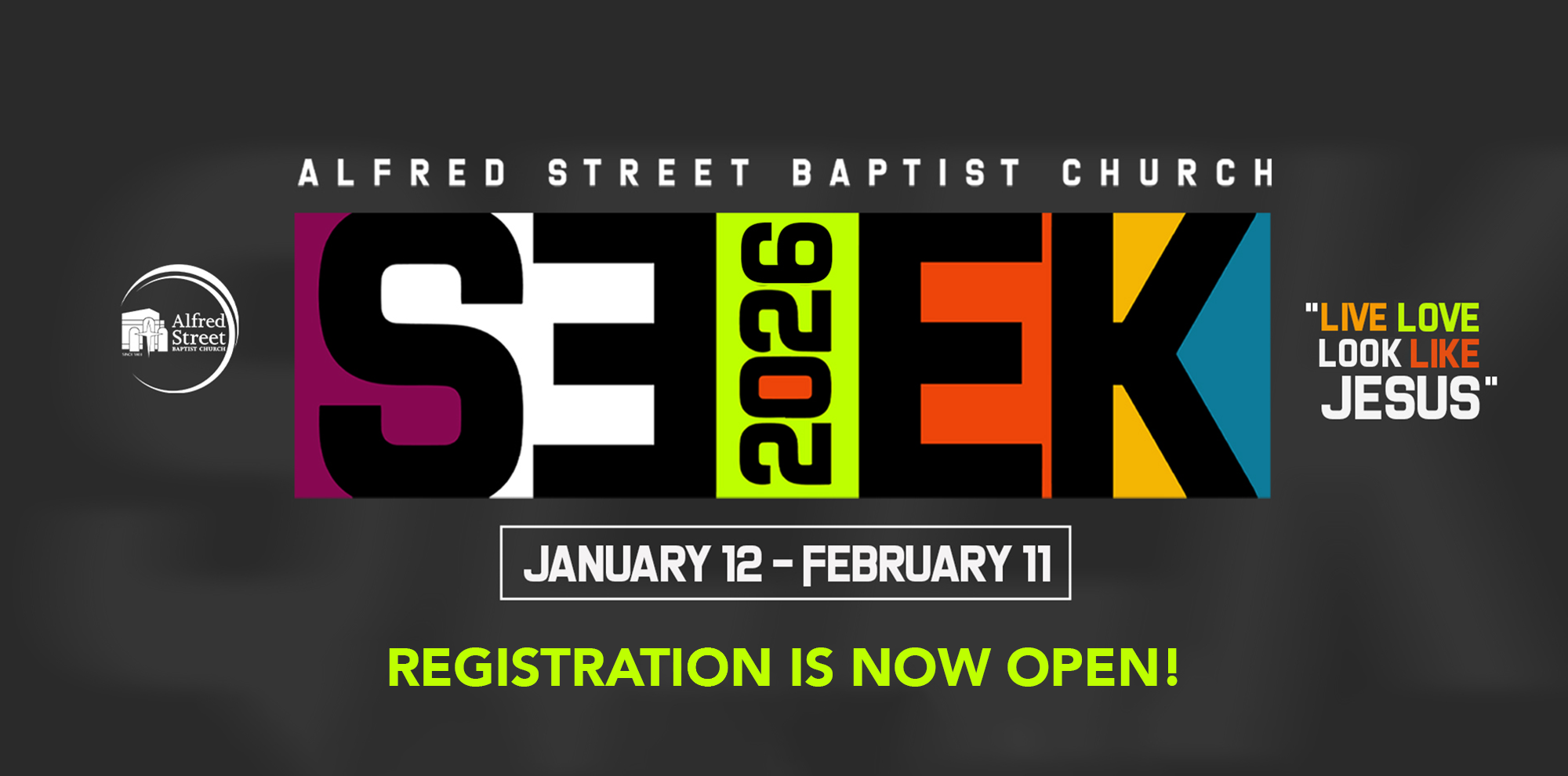
SEEK26: LIVE, LOVE, LOOK LIKE JESUS
JOIN US, JANUARY 12TH – FEBRUARY 11TH FOR OUR ANNUAL COMMUNITY FAST!
“For we are what he has made us, created in Christ Jesus for good works, which God prepared beforehand so that we may walk in them.” – Ephesians 2:10 (NRSVUE)
As we enter this sacred season of Advent, we are reminded that every soul is fearfully and wonderfully made (Psalm 139:14). This December, as we explore spiritual self-care while honoring Different Abilities Awareness Month, we discover that true spiritual wellness flourishes when every member of Christ’s body can fully participate in worship, fellowship, and spiritual growth.
Spiritual self-care – the practice of nurturing our connection with God and our faith community – takes many forms. For families navigating neurodiversity and different abilities, this sacred practice requires both intention and innovation. When we create spaces where all God’s children can encounter His presence, we don’t just accommodate differences, we celebrate the diverse ways the Spirit moves among us.
Consider Jesus’s ministry: He consistently sought out those whom society overlooked. He touched those considered untouchable. He spoke to hearts that communicated differently. In Matthew 19:14, Jesus said, “Let the children come to me, and do not stop them, for it is to such as these that the kingdom of heaven belongs.” (NRSVUE). This invitation extends to all children, including those who experience the world through different sensory, cognitive, and emotional lenses.
Alfred Street Baptist Church is transforming spiritual self-care for families by creating sensory rooms within our Cornerstone Ministry. These spaces recognize a profound truth: spiritual connection doesn’t require stillness, silence, or conventional expressions of worship. Sometimes it flourishes through movement, texture, gentle lights, or quiet corners.
Rev. Paul, one of our Assistant Pastors and a parent navigating the beautiful journey of raising an autistic child shares his wisdom, he believes that spiritual self-care for his family and other families mean creating pathways to God that honor how his child and children with different abilities can experience God. It is not about conforming to one way of worship but discovering the unique ways God speaks to and through all children.
These sensory rooms represent more than physical accommodations – they embody theological truth. Just as the Body of Christ contains many parts, each with different functions but equal value (1 Corinthians 12: 12-27), our worship spaces should reflect this divine diversity.
Prayer takes many forms and families can discover beautiful ways to connect with God that honor different sensory and communication needs. Visual prayer cards and prayer beads offer tactile engagement that can ground and focus wandering minds, while prayer movements or gestures can embody petitions and praise for those who process the world through their bodies. Consider establishing prayer routines that incorporate your family’s sensory preferences – perhaps instrumental
music for auditory processors, dim lighting for those sensitive to brightness, or weighted blankets for children who need deep pressure to feel calm. Most importantly, remember that God hears the prayers of the heart, whether they are spoken aloud, signed with hands, or simply felt in the quiet spaces of the soul.
Parents in our congregation and those of other churches who embrace this type of spiritual self-care experiences for their children with different abilities will have their own spiritual cups filled. They will be able to focus on god instead of managing behaviors or apologizing for differences. That’s spiritual self-care for the whole family.
This December, as we prepare our hearts for Christmas, let us also prepare our spaces and spirits for radical inclusivity. Spiritual self-care isn’t a luxury reserved for those who fit conventional molds – it’s a divine birthright for every soul.
Here are ways you can support spiritual self-care for families with different abilities:
- Educate Yourself: Learn about various disabilities and how they might affect spiritual practices
- Offer Respite: Provide childcare so parents can attend prayer meetings or Bible study
- Be a Worship Buddy: Sit with a family during service to offer support
- Advocate: Support initiatives like our sensory rooms with your voice, time, or resources
- Pray: Lift up families navigating different abilities, asking God to reveal ways to love and serve them
The sensory rooms being developed at Alfred Street Baptist Church represent more than accommodation – they embody the gospel message that all are welcome at God’s table. When we create spaces where every child can encounter the Holy, we practice spiritual self-care not just as individuals but as the Body of Christ.
This Advent season, may we remember that the Christ child came for all – those who process the world typically and those who experience it uniquely. The star of Bethlehem shone for shepherds in the fields and wise men from afar, for those who could run to the manger and those who might need assistance to arrive.
As we nurture our spirits through this holy season, let us expand our understanding of spiritual self-care to include creating pathways for every soul to touch the divine. In doing so, we don’t just care for our own spirits – we become vessels for God’s inclusive love, ensuring that no lamb is left outside of the fold.
Loving God, You created diversity in Your image, help us to see spiritual self-care not as a solitary practice but as a communal calling. Give us wisdom to create sacred spaces where all abilities are celebrated. Grant us patience to learn new ways of worship. Fill us with courage to advocate for inclusion. And remind us daily that in Your kingdom, different doesn’t mean less than – it means fearfully and wonderfully made. In Jesus name, Amen.
Drop us a line at pastoralcounseling@alfredstreet.org and tell us how you are doing!
Need assistance with substance abuse? CLICK HERE for more information.
For further information, assistance, or for counseling referrals email:
NOTE: due to an overwhelming response, counseling requests are being wait-listed and answered in order received. Contacting your insurance provider, employer provided employee assistance program team or EAP team or larger platforms like Better Help or Thrive works may be a better option for an immediate request.